
Navigating the Nigerian Customs Service Act 2023: Implications for Terminal Operators
A Presentation by Ascanio RUSSO, Managing Director, PTML
28th May 2024
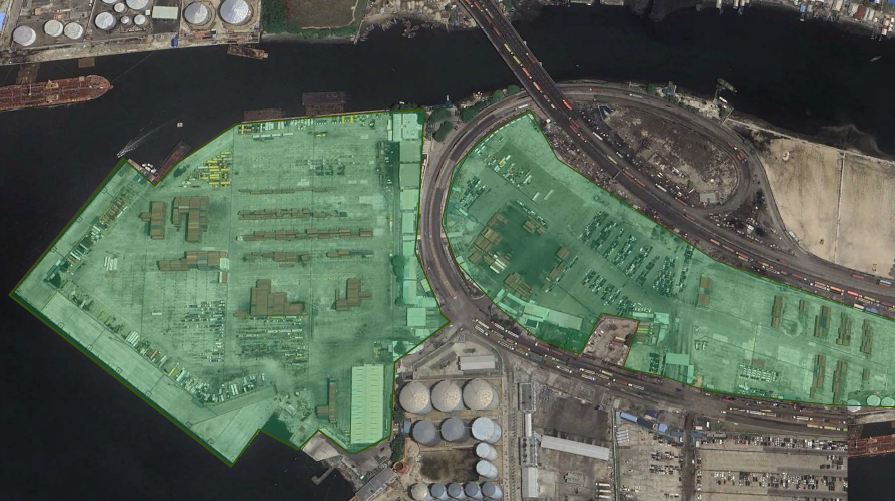
Ports & Terminal Multiservices Ltd (PTML) is a subsidiary of the Grimaldi Group, a multinational logistics company and the world's leading operator in the maritime transport of rolling freight;
With a port area of over 220,000 sqm and an off-dock waterfront terminal of over 250,000 sqm, PTML is the largest RO/RO multipurpose terminal in West Africa;
PTML was built in 2006-2008 under the first BOT agreement signed by the Federal Government in the Maritime Industry and it's a leading example of successful PPP;
PTML is the only terminal in Lagos with its own dedicated Customs Command
PTML - Ports & Terminal Multiservices Ltd
Key Provisions of the Act
The core objectives of the Nigeria Customs Service Act 2023 are to reform and modernize the administration and management of customs and excise in Nigeria. It aims to enhance revenue collection, promote trade facilitation, and strengthen enforcement against customs fraud and smuggling
the Nigeria Customs Service Act, 2023, represents a significant overhaul of the customs and excise framework in Nigeria, introducing modern practices, stricter compliance measures, and a more robust institutional structure compared to the Customs and Excise Management Act, 2004.
Highlights
- Cargo inspection (art. 30)
- Collaboration with stakeholders and other agencies (art. 33)
- Regulation and Handling of overtime cargo (art. 60 and art. 119)
- Introduction of the Authorized Economic Operators (art. 108)
What Terminal Operators want?
Objectives and responsibilities of port terminal operators
Efficient Cargo Handling
- Optimize the loading, unloading, and transfer of cargo (containers, bulk, etc.) between different modes of transportation (ships, trucks, trains) to minimize turnaround times.
- Implement modern cargo handling technologies and processes to increase productivity and efficiency.
Coordination and Planning
- Coordinate vessel traffic and berthing schedules to avoid delays upon arrival.
- Maintain clear communication and share real-time data with all logistics partners (shipping lines, truckers, rail operators, etc).
Safety and Security
- Obtain relevant operating licenses and permits from port authorities.
- Ensure all cargo handling activities follow proper safety protocols to prevent accidents, injuries or damage.
Equipment and Infrastructure Management
- Optimize use of terminal space through proper yard planning and management.
- Invest in modern cargo handling equipment (cranes, conveyors, IT systems) to increase efficiency.
Customer Service
- Provide reliable and timely service to meet the needs of shipping lines and shippers.
- Implement digital solutions to enhance visibility and ease of doing business for customers.
Responsibilities of port terminal operators towards NCS
Compliance with Customs Regulations
- Security of Goods
- Terminal operators must ensure the security of goods under customs control to prevent unauthorized access, tampering, or theft. This includes implementing robust security measures such as fencing, surveillance systems, and controlled access points
- Documentation and Reporting
- Terminal operators are responsible for maintaining accurate records and documentation related to cargo handling. This includes cargo manifests, discharge and transfer tally records, and other relevant documents. They must also report any unauthorized access, loss, or damage of goods to customs authorities promptly
- Customs Clearance
- Terminal operators play a critical role in the customs clearance process. They must coordinate with customs officials to facilitate the inspection and clearance of goods. This involves providing necessary documentation and ensuring that all customs duties and charges are paid before goods are released
NCSA 2023 - Relevant areas for the Terminal Operators
Customs Service Control
Art. 30 of the Nigeria Customs Act, 2023, outlines the responsibilities and powers of the Nigeria Customs Service regarding customs control. This provision is relevant for terminal operators in several key ways:
- Goods Examination: The Service has the authority to examine goods to ensure compliance with customs regulations. For terminal operators, this means providing access and facilities for customs officers to conduct these examinations efficiently
- Inspection of Transport Means: Customs officers are authorized to inspect the means of transport used for moving goods. Terminal operators must facilitate these inspections and ensure that all transport vehicles meet the necessary standards and regulation
- Sampling and Interviews: The Service may take samples of goods and interview individuals who may have relevant information. Terminal operators need to cooperate with these activities by providing samples and ensuring that knowledgeable personnel are available for interviews
Art. 32 provides for the application of risk management using electronic data processing technique before examining goods.
- This is an essential improvement on CEMA act 2004 as it is expected to reduce the number of containers which are physically examined
Art. 33 emphasizes the coordination and efficiency of control measures involving multiple agencies. This is critical for Terminals. Here's how:
- Simultaneous Control Measures: The Service is required to ensure that control measures within customs control zones and those by other agencies on goods to be imported or exported are carried out simultaneously. This provision is crucial for terminal operators as it reduces the time needed for various inspections, thereby speeding up the clearance and handling of goods
- Coordination of Inspections: The Service coordinates the location and timing of inspections and other controls where other agencies are involved. This coordination minimizes disruptions and allows terminal operators to better plan their operations and resource allocation
- Electronic Data Exchange Facility (Single Window): The establishment of an electronic data exchange facility, or Single Window, to coordinate the work of the Service and interface with other agencies' systems reduces processing times for traders.For terminal operators, this means quicker processing times and less paperwork, leading to more efficient operation
- Data Exchange for Risk Management: The Service and other agencies may exchange data for risk management purposes. Terminal operators benefit from this by having access to a streamlined process that reduces redundant checks and ensures a more secure supply chain.
Uncleared goods
Art. 60 is very relevant and impacts terminal operators significantly through the management of uncleared and missing goods. Here's how:
- Timely Transfer to Government Warehouse: On the 30th day after the completion of discharge of the importing ship, aircraft, or vehicle, the proper officer will provide a list of goods that have been unloaded but not yet released. Terminal operators must immediately transfer these goods to a Government warehouse or another approved place.
Art. 119 specifically addresses the disposal of uncleared goods that have been moved to a Government warehouse:
- Immediate Action for Perishable Goods: If the goods are perishable, they must be disposed of immediately. The Service has the discretion to determine which goods are perishable and require prompt disposal
- Fourteen-Day Rule for Non-Perishable Goods: For non-perishable goods, the importer has 14 days after the goods have been moved to the Government warehouse to clear them. If the goods are not cleared within this period, the Service may sell them. The Service may extend this period at its discretion
- Public Auction or Tender: Goods that are not cleared within the stipulated time may be sold by public auction or tender. The auction dates are publicized in advance through national newspapers, television, and the Service's website to ensure transparency. The auction procedures are established by the Board
- Costs and Proceeds: The proceeds from the sale are used to cover any unpaid duties, storage fees, and other related costs. Any remaining balance after covering these costs may be refunded to the importer if they come forward to claim it within a specified period
The provisions of Art. 60 and 119 on the transfer and disposal of uncleared goods are cause of following concern for Terminal Operators:
30-Day Period for Transfer to Government Warehouse (Article 60):
- Concern: The average dwell time for containers in Lagos being 18 days means there is little buffer for delays, which are common due to various logistical, administrative, or regulatory issues. Over one third of containers discharged are cleared after 30 days:
- Implication: This tight deadline can lead to operational bottlenecks and increased costs for terminal operators and importer
14-Day Rule for Clearance from Government Warehouse (Article 119)
- Concern: This period may be insufficient for importers to arrange for clearance, especially if they were already facing delays that led to the transfer in the first place.
Use of Proceeds from Sale (Article 119)
- Concern: The provision is generic and lacks specific details on the order of priority for covering costs, potential refund mechanisms, and the handling of excess funds.
NCSA 2023 - Conclusion
The Nigeria Customs Service Act 2023 introduces several key provisions that enhance the operational efficiency, compliance, and economic benefits for terminal operators compared to the Customs and Excise Management Act (CEMA) 2004:
Streamlined Customs Procedures:
- The new Act simplifies and expedites customs procedures through provisions like Authorized Economic Operator (AEO) status, enabling faster clearance and reduced congestion at terminals.
Improved Coordination and Risk Management:
- Article 33 promotes simultaneous control measures and electronic data exchange with other agencies, improving coordination and reducing delays in the clearance process. The enhanced risk management techniques ensure more efficient handling of goods.
More Realistic Time Frames:
- While the Act maintains strict deadlines for transferring uncleared goods to Government warehouses and their subsequent disposal, it offers a more structured approach to handling delays and ensuring goods do not indefinitely occupy terminal space.
Economic Benefits and Competitive Advantage:
- By promoting faster cargo turnaround and reduced operational costs, the Act provides terminal operators with significant economic benefits. The efficient handling and clearance processes attract more business, enhancing the terminal's competitive edge in the logistics and shipping industry.
In conclusion, the Nigeria Customs Service Act 2023 represents a significant advancement over the previous Customs and Excise Management Act (CEMA) of 2004, particularly for port terminal operators like PTML.
By embracing technology, promoting collaboration, and streamlining processes, the new Act offers a pathway to enhanced efficiency, reduced dwell times, and increased competitiveness.
As we navigate this new regulatory landscape, PTML is committed to leveraging these opportunities to further strengthen our position as a leading player in the Nigerian port sector.